Wood Betony - Pedicularis canadensis
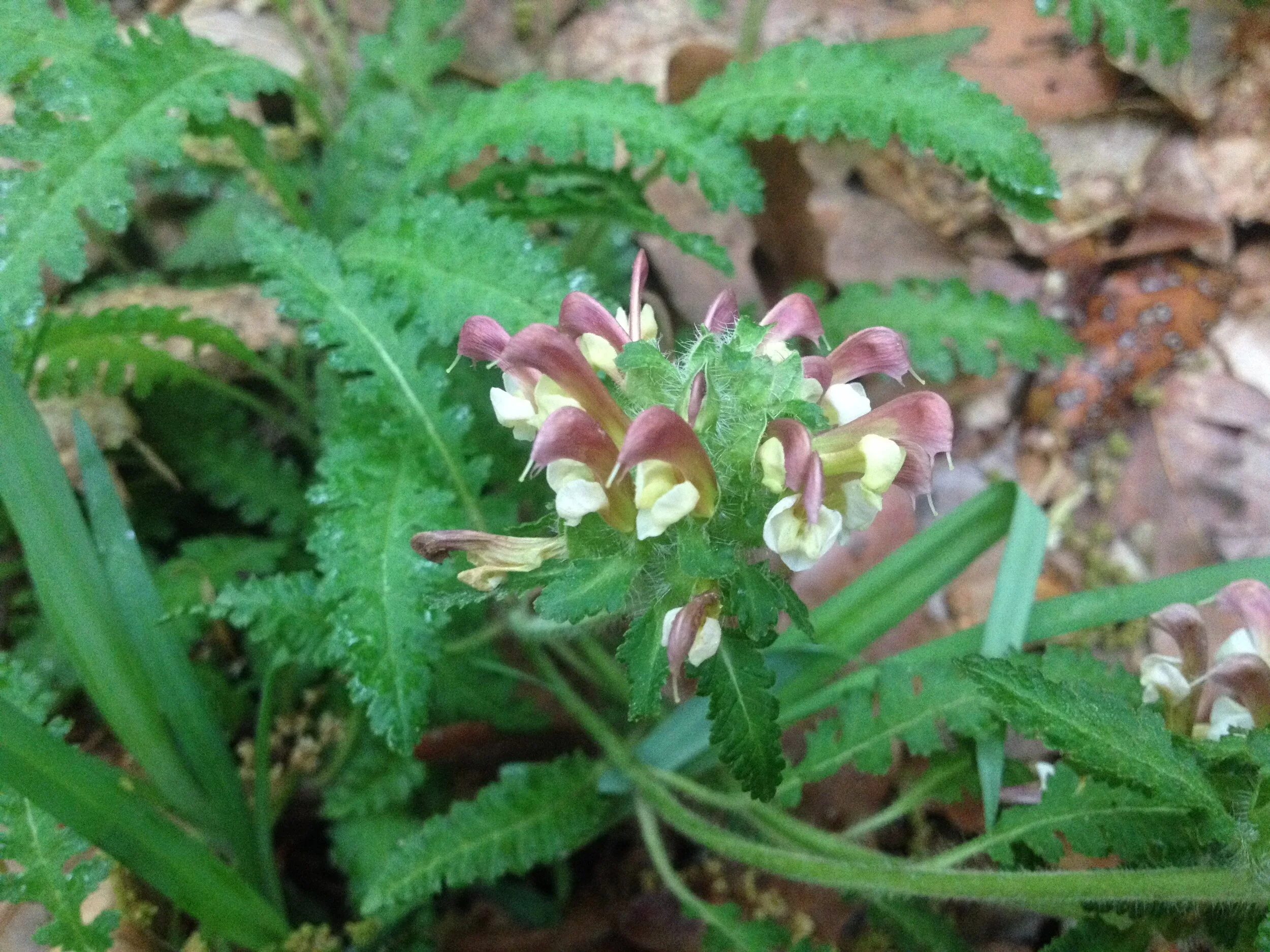
Pedicularis canadensis, Wood Betony
Photographed on the run in a CT state forest.
Parrots beak. Lousewort. Elephantella.
With common names like these, it’s hard not to be interested in this plant.
There is a great deal of variation in this genus. Once a member of the Snapdragon family, the genetic roulette of the more recent botanical classification system puts these little wonders into the Broomrape family, or Orobanchaceae.
Before you get too worried here, lets talk Latin meanings. The ‘broomrape’ part comes from the medieval Latin rapum, which means tuber, and broome, a type of plant. Orobanche essentially translates into “pea strangler”. Though this may sound like a really strange crime you’d read about in a tabloid, it actually speaks to the parasitic nature of some of the members of this family. It also provides a lovely segue.

Canadian Lousewort, also called Wood Betony or Pedicularis canadensis, is one of our local CT louseworts. As with many other flowers of this genus, the top petal (called the galea, in this case) is far more noticeable. Looking like a mini-pirates hook, it ranges from pale yellow to light purple. Crazy, indecisive flowers:)
Parasitic Pedicularis
Often hemiparasites, this means Pedicularis species can live partially off of other plants. This depends on a few factors, but especially the availability of acceptable host plants (After all, you can’t just go draining anyone of their life force-you have to be a bit choosy).
Some species, like Pedicularis canadensis, can be parasitic, but can also live off on their own without any other host. And speaking of parasitic now is a good time to mention one of the common names: Lousewort. It was once believed that livestock who grazed on this plant then contracted lice (Ew, I know. Parasites and hair in food are my kryptonite). But fortunately for me this name is a complete misnomer, and without any association with lice, I can go on to enjoy the plant medicine.

This is a Colorado native, Pedicularis groenlandica. A bit different to our native New England pedicularis, this one is called Elephants Head, or even cuter, Elephantella. Look closely and you'll notice the top petal (that galea again) makes a perfect pink elephants head and trunk, with the other petals making up the ears.
Along with being one of the more spectacular flowers I've ever seen, it also makes a delightfully relaxing tincture. As soon as I get my teleporter working I won't need to be so stingy with the tincture I have left of this...:)
Lousewort Medicine
The medicinal action of this genus can vary quite a bit. The Colorado native, and one of my favorites, Elephantella, is far more gently sedating than the other 3 species I have tried. I stockpile this herb for stress-head days and pain formulas. Folks will also put this one into herbal smoking blends for it’s relaxant qualities (herbal blends being a good way to go for those trying to quit tobacco).
The New England native Canadian Lousewort is far less sedating. It’s fairly warming and drying, and though used mainly as an expectorant and diuretic, you can definitely feel the effect it has on your veins and arteries. I had a chance to get to know it better recently, and wow! It’s like a tidal wave in your circulatory system!
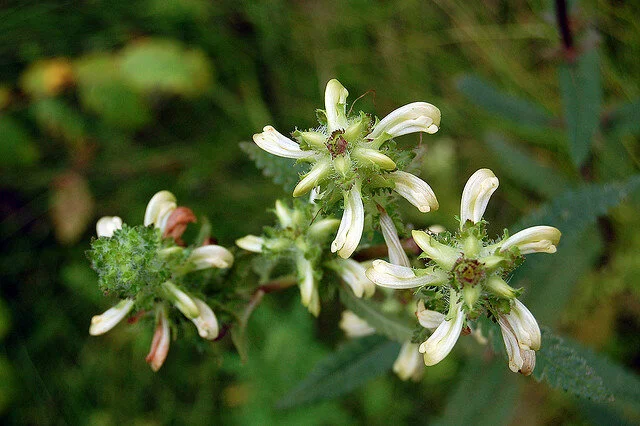
One of our natives, Swamp Lousewort, or Pedicularis lanceolata. If you find this one, you are one lucky herbalist-but don't pick! Though a bigger plant than other pedicularis, it is far from plentiful, and is a threatened species in CT.
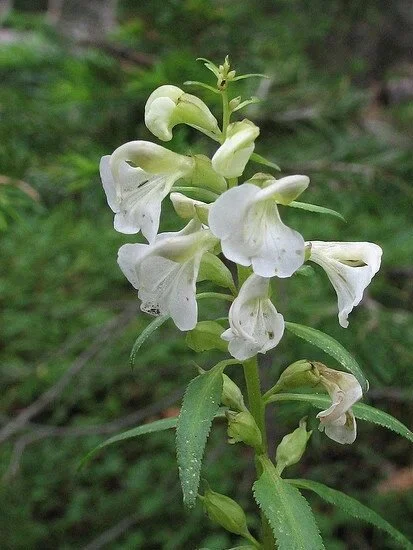
Another Colorado native, Parrot's beak, or Pedicularis racemosa.
A Pedicular Flavor
Though the appearance and medicinal actions of the different species varies, there is one common factor worth noting.
In all 6 species that I have come across, there is a delightful watermelon/something sweet & unidentifiable/cucumber taste and aroma.
I recently spoke about pedicularis with another herbalist, whose teacher, Howie Brounstein, described the plant as having a very “pedicular” flavor. Oh herbalist puns-both the best, and the worst:)
There are 4-5 native species of pedicularis out there, depending on who you talk to. Some more medicinal than others, all with gorgeous flowers. Get out there and explore!